
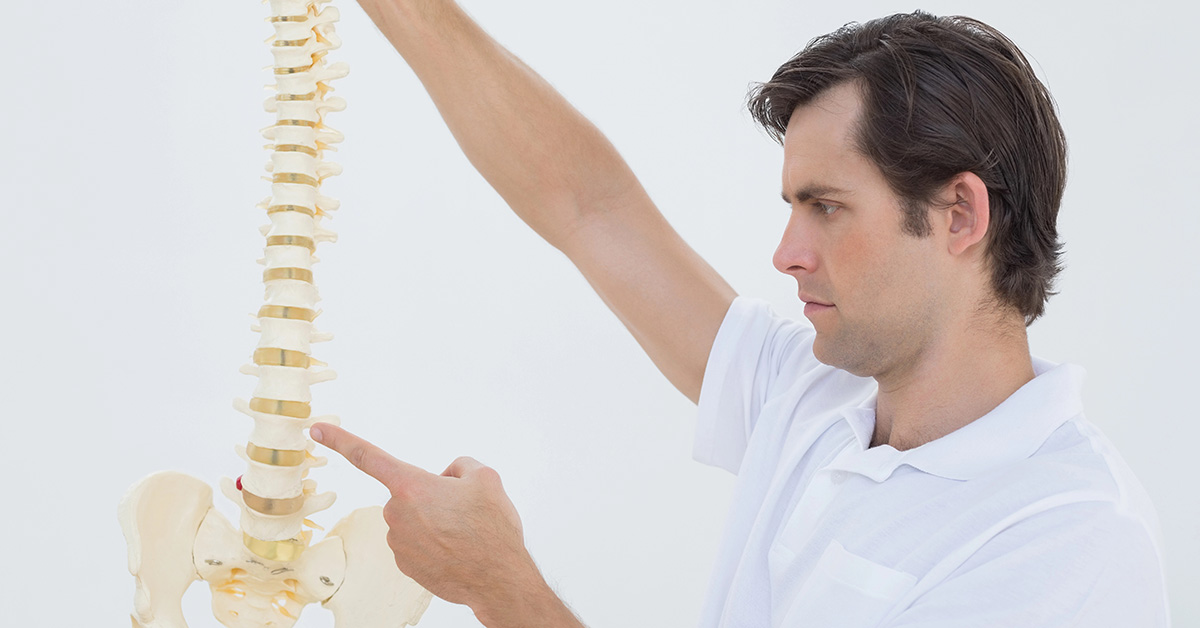
While physical therapists do not manually “crack” or manipulate the spine the way a chiropractor might, they are experts in using exercise-based and movement-focused approaches to gradually improve spinal alignment.
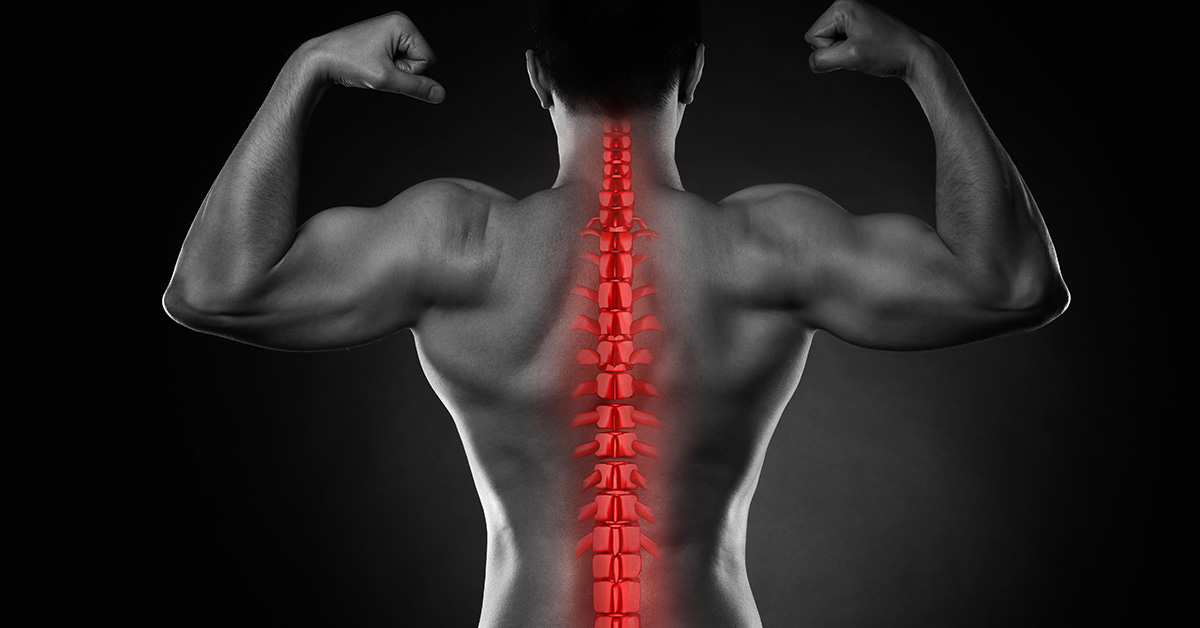
While it can be a painful and frustrating issue, the good news is that cervical radiculopathy is often manageable—and in many cases, treatable—without surgery.

Spinal inflammation can cause pain, stiffness, muscle weakness, numbness, and fatigue. Early treatment is crucial to prevent complications and improve mobility.

A cervical corpectomy is a major surgery addressing spinal cord compression in the neck, offering relief but requiring careful recovery and carrying specific risks.

Physical therapy addresses not just the symptoms of back pain, but the underlying causes—something over-the-counter medications and rest alone cannot do.
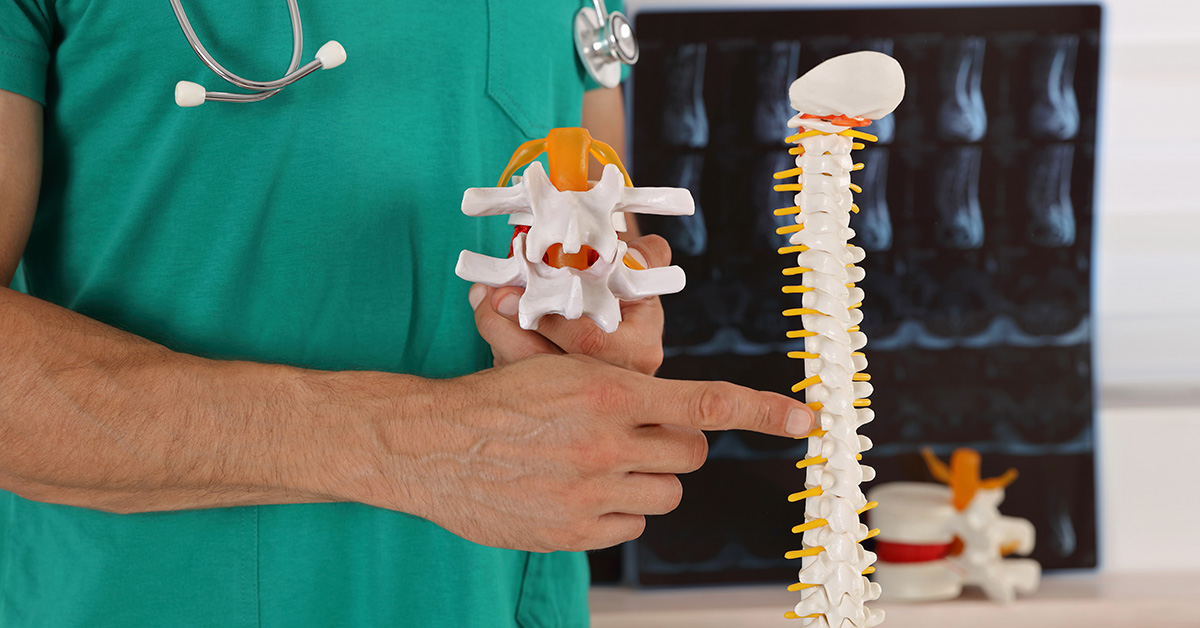
While degenerative disc disease cannot be reversed, there are several effective ways to manage its symptoms and improve quality of life.

Recovery from spinal decompression surgery varies, typically taking weeks to months. Physical therapy, rest, and following medical advice are key to a successful recovery.

Learn about degenerative disc disease back pain, its causes, symptoms, and treatment options. Find out how to manage pain, improve spinal health, and enhance your quality of life.
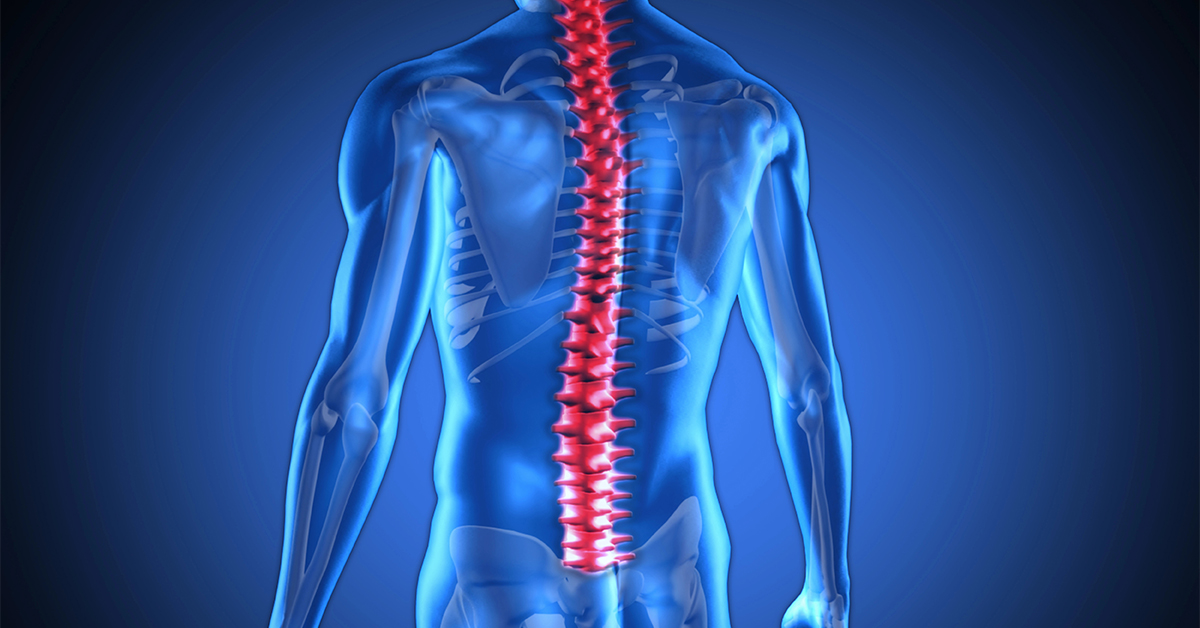
Medications for spine conditions relieve pain, reduce inflammation, and manage symptoms, improving quality of life for those with spine-related issues.

Walking is one of the most accessible and low-impact exercises available, but if you’re dealing with a herniated disc, you may wonder whether it’s safe or beneficial.
Spinal fusion surgery is often a last-resort treatment for conditions like spinal instability, degenerative disc disease, or scoliosis.

Neck pain often originates from the cervical spine, muscles, nerves, or joints. Identifying the source is key to finding effective treatment and relief.