
Can You Walk Normally After a Lumbar Laminectomy?
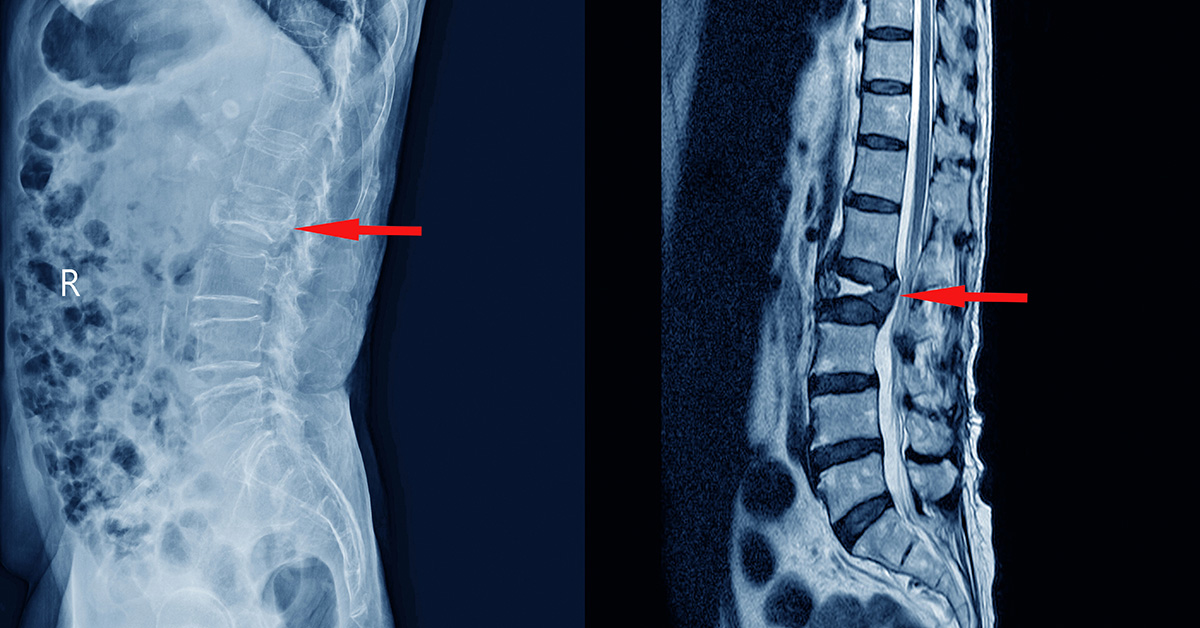
A lumbar laminectomy is a common surgical procedure performed to relieve pressure on the spinal nerves in the lower back. It is most often recommended for conditions such as lumbar spinal stenosis, herniated discs, or bone spurs that cause leg pain, numbness, weakness, or difficulty walking. Because walking problems are a major reason patients seek this surgery, one of the most common questions is whether normal walking can return afterward.
For most patients, the answer is yes—many people are able to walk normally after a lumbar laminectomy, often with significant improvement compared to their symptoms before surgery. Recovery, however, takes time and depends on several factors.
Why Walking Is Affected Before Surgery
Before a lumbar laminectomy, nerve compression in the lower spine can interfere with the signals that control leg strength, sensation, and coordination. This often leads to pain that radiates down the legs, cramping, heaviness, or weakness when walking. Some patients find they must stop frequently or lean forward to relieve discomfort.
A laminectomy works by removing the portion of bone and soft tissue that is compressing the nerves, allowing them to function more normally.
Walking Immediately After Surgery
Most patients are encouraged to begin walking shortly after surgery—often the same day or the day after. Early walking helps improve circulation, reduce stiffness, and prevent complications such as blood clots.
At first, walking may feel slow or uncomfortable due to soreness at the surgical site. This is normal. Many patients notice immediate improvement in leg pain or numbness because nerve pressure has been relieved, even though back stiffness may still be present.
The First Few Weeks of Recovery
During the first few weeks, walking is one of the most important parts of recovery. Patients are typically advised to walk short distances several times a day, gradually increasing duration and pace as comfort improves.
While walking is encouraged, activities that involve bending, twisting, or lifting are limited. Using proper posture and wearing supportive footwear can make walking more comfortable and help prevent strain.
Most patients experience steady improvement in walking endurance and stability during this phase.
Regaining Normal Walking Patterns
By four to six weeks after surgery, many patients walk with greater ease and confidence. As healing continues, muscle strength and coordination improve. Physical therapy may be recommended to help correct gait patterns, strengthen the core and leg muscles, and improve balance.
Patients who had severe nerve compression before surgery may notice gradual improvement over several months, as nerves can take time to heal fully.
Long-Term Outlook
Most patients return to normal or near-normal walking ability within a few months of lumbar laminectomy. Many are able to walk longer distances without pain and resume activities that were previously limited by symptoms.
Long-term success depends on maintaining spinal health through regular exercise, proper body mechanics, and avoiding prolonged inactivity. Core strengthening and flexibility exercises help support the spine and reduce the risk of recurring symptoms.
When Walking May Take Longer to Improve
In some cases, walking recovery may take longer. Factors that can affect recovery include how long the nerves were compressed before surgery, the presence of nerve damage, overall health, and adherence to rehabilitation guidelines.
Persistent weakness, numbness, or balance issues should be discussed with a healthcare provider, as additional therapy or evaluation may be needed.
The Bottom Line
Yes, most people can walk normally after a lumbar laminectomy. In fact, improved walking ability is one of the main goals of the procedure. While early recovery may involve some stiffness and caution, consistent walking and rehabilitation usually lead to significant improvements in mobility and quality of life.
If you are preparing for a lumbar laminectomy or recovering from one, following your surgeon’s guidance and staying active within recommended limits can help you return to comfortable, confident walking.